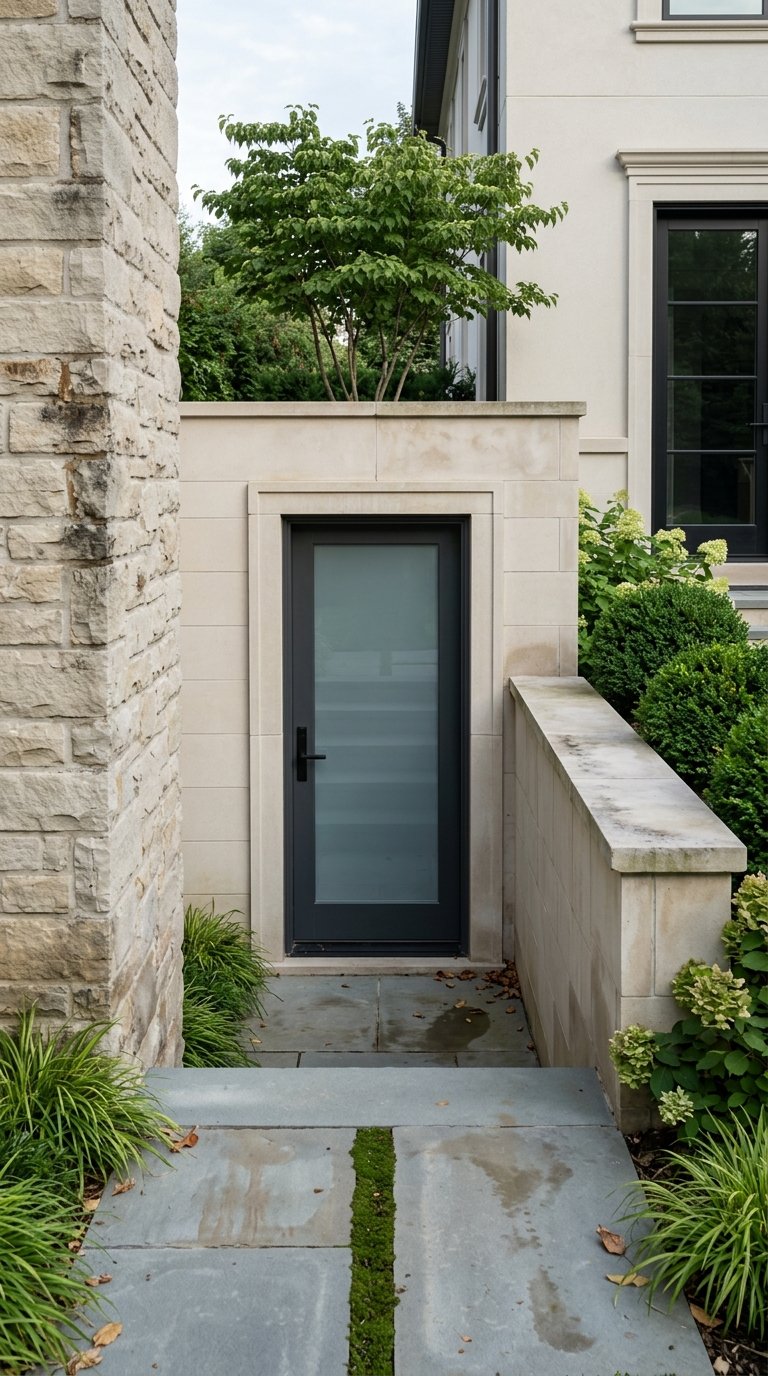
If you are shopping for a home in Falls Church, a flexible layout can do a lot more than make daily life easier. The right floor plan may also give you future options for multigenerational living, a longer-term rental setup, or a more private guest space if local rules allow it. Knowing what actually makes a home rental-friendly in this market can help you buy with more confidence. Let’s dive in.
What Rental-Friendly Means in Falls Church
In Falls Church, rental-friendly does not just mean a home has an extra bedroom or a separate door. The City of Falls Church treats accessory dwellings as complete independent living facilities on the same lot as a single-family home, and the city approved updated accessory-dwelling regulations on April 14, 2025 that include detached accessory dwellings.
That matters because the most adaptable homes are often the ones that can support living, sleeping, eating, cooking, and sanitation in a distinct area. According to the city’s approval and permitting guidance, that could be space within the main home, an attached addition, or a detached structure, depending on the property and zoning.
Start With the Layout
When you tour homes, the floor plan should come before the finishes. A beautifully updated home may still be hard to adapt later if the layout does not create enough privacy or space for an independent living area.
In Falls Church, the layouts that tend to offer the most flexibility usually include:
- Finished basements
- Walk-out lower levels
- Side or rear additions
- Detached outbuildings or garages with usable space
- Floor plans with clear separation between living zones
These features matter because the city allows accessory dwellings in detached accessory buildings and in spaces within or attached to the principal dwelling, including basement apartments and additions, according to the city’s permit page.
Why Basements Get So Much Attention
A basement is often the first place buyers look when they want future rental flexibility. In many Falls Church homes, the lower level already offers some natural separation from the main living area, which can make it more functional for extended family, guests, or a future permitted rental setup.
Still, not every basement is truly rental-friendly. Virginia building code requires basements and habitable attics, and each sleeping room in a basement, to have at least one operable emergency escape and rescue opening that opens directly to a public way or to a yard or court that opens to a public way, as outlined in the Virginia administrative code.
In simple terms, a lower-level bedroom needs to work safely and legally as a sleeping space. So when you are evaluating a basement, pay attention to more than square footage.
Basement Features to Watch
A lower level is usually more adaptable when it includes:
- A full bathroom
- Space for a kitchen or kitchenette area
- A private or semi-private entrance
- Good ceiling height and natural light
- Rooms that could meet sleeping-space requirements
- A layout that feels separate from the main level
A separate entrance can help, but it does not automatically make a space rentable. Falls Church still requires zoning review, permit approval, and a certificate of occupancy before an accessory dwelling can be used, based on the city’s current permitting rules.
Detached Space Can Add Flexibility
Detached structures are getting more attention for a reason. The city’s 2025 updates include detached accessory dwellings, which opens more possibilities for properties with the right lot conditions.
That said, site constraints are real. The city notes that it has about 2,400 detached single-family homes, and roughly 56% have enough lot and building coverage for a detached accessory dwelling, according to the city’s Accessory Dwellings Update and supporting staff report.
What to Check Outside
If you are considering a detached structure or future backyard unit, look at:
- Lot size
- Existing building coverage
- Rear and side yard space
- Setback limitations
- Separation requirements between structures
The city’s approval and permitting page says many accessory dwellings are limited to the lesser of 1,000 square feet or 50% of the principal dwelling’s gross floor area, with smaller principal homes capped at 700 square feet. So even if a detached space seems possible, the lot may still be the deciding factor.
Privacy Matters More Than People Expect
One of the biggest signs of a rental-friendly layout is clear separation between private and shared areas. A home that can support a second living area, full bath, and cooking setup is usually much more adaptable than a standard floor plan where every room opens into the main family space.
That idea lines up with the city’s definition of an accessory dwelling as a complete independent living facility with permanent provisions for living, sleeping, eating, cooking, and sanitation, as described in the city’s regulatory update.
Layout Clues That Add Flexibility
When you walk through a home, these details are often good signs:
- Stairs that allow lower-level access without crossing the main living room
- Space for a separate sitting area
- Plumbing locations that could support a second kitchen area
- A bedroom and bath grouped together in one section of the home
- Additions that already feel like a private suite
Even if you never create a formal accessory dwelling, these features can still make a home more useful over time.
Verify the Jurisdiction First
This is one of the most important steps in Falls Church. Many homes have a Falls Church mailing address, but they are not actually inside the City of Falls Church. The city’s planning department specifically notes this on its planning page.
Why does that matter? Because the city’s accessory-dwelling rules only apply within city limits. If a property is outside the city, the zoning and approval path may be completely different.
For example, Fairfax County’s accessory living unit rules use a separate framework with its own standards for interior access, size, occupancy, parking, and owner occupancy. Before you build your home search around rental flexibility, confirm the exact jurisdiction.
Know the Local Rules Before You Assume
A home can look perfect for future rental use and still run into limits. In the City of Falls Church, accessory dwellings are eligible in the R-1A, R-1B, and R-M districts, though the city says only internal accessory dwellings are permitted in the R-M district by special use permit, according to the permit page.
The same city guidance also says:
- Short-term rental use is not allowed for accessory dwellings
- The unit may not exceed four occupants
- The owner must use either the principal dwelling or the accessory dwelling as the primary residence at the time the permit and certificate are issued, except for new construction built together
- Permit review, post-construction checks, and a certificate of occupancy are required
That is why rental-friendly and investor-friendly are not always the same thing. In Falls Church, the framework is designed around regulated accessory living, not a pure short-term rental or hands-off investment model.
HOA Rules Can Change the Picture
Even if local zoning appears to allow a rental plan, private community rules may still limit what you can do. Virginia law says localities may not prohibit renting a residential dwelling unit for a lease term of 30 consecutive days or longer, but it also preserves private declarations, covenants, condominium instruments, and property owners’ association declarations, as stated in Virginia Code § 15.2-987.
That means buyers should review the governing documents before making assumptions. If you are considering a condo, townhome, or HOA community, ask for the declaration, bylaws, rules, architectural guidelines, and any rental policy early in the process.
A Smart Way to Evaluate Homes
If rental flexibility is part of your long-term plan, it helps to evaluate each property with the same checklist. That keeps you focused on what can realistically work, not just what looks promising during a showing.
Your Falls Church Layout Checklist
Ask these questions as you tour homes:
- Is the property inside the City of Falls Church or in another jurisdiction?
- Does the layout support a distinct living area with privacy?
- Could the space accommodate sleeping, cooking, and sanitation functions?
- If the space is in a basement, does it appear capable of meeting emergency egress requirements?
- Is there a separate or practical entrance option?
- Does the lot look large enough for future detached-space potential?
- Are there HOA, condo, or covenant restrictions?
- Does the home fit your needs now, even before any future changes?
That last question is important. A flexible layout should support your lifestyle today while giving you more options tomorrow.
Why This Matters for Buyers in Falls Church
In a close-in Northern Virginia market, versatility has value. A home with a well-designed lower level, an addition, or the right lot setup may give you more ways to use the property over time, whether that means hosting family, creating more privacy, or pursuing a future permitted rental arrangement.
The key is knowing the difference between a home that looks flexible and one that actually has a realistic path under local rules. That is where careful search strategy, layout analysis, and early due diligence can make a real difference.
If you want help identifying Falls Church homes with strong long-term flexibility, Vie Nguyen can help you evaluate layouts, lot potential, and the practical details that matter before you make an offer.
FAQs
What makes a Falls Church home rental-friendly?
- A rental-friendly Falls Church home usually has a layout that can support separate living, sleeping, cooking, and bathroom spaces, along with zoning and permit potential that fits local rules.
Can a basement in Falls Church become a rental space?
- Often yes, but the basement must meet applicable city permit standards and Virginia code requirements, including emergency escape and rescue openings for sleeping rooms.
Does a separate entrance make a Falls Church home rentable?
- No. A separate entrance may help with layout flexibility, but it does not replace zoning review, permit approval, and a certificate of occupancy.
Are detached accessory dwellings allowed in Falls Church?
- Yes, the City of Falls Church approved updated accessory-dwelling regulations in 2025 that include detached accessory dwellings, subject to lot, size, setback, and permit requirements.
Do Falls Church mailing addresses always follow City of Falls Church rules?
- No. Some properties have Falls Church mailing addresses but are outside the City of Falls Church, so you need to confirm the actual jurisdiction before relying on city accessory-dwelling rules.
Can an HOA stop a rental plan in Falls Church?
- Yes. Even when local law is more permissive, private declarations, covenants, condo documents, and HOA rules may still restrict rental use or future modifications.