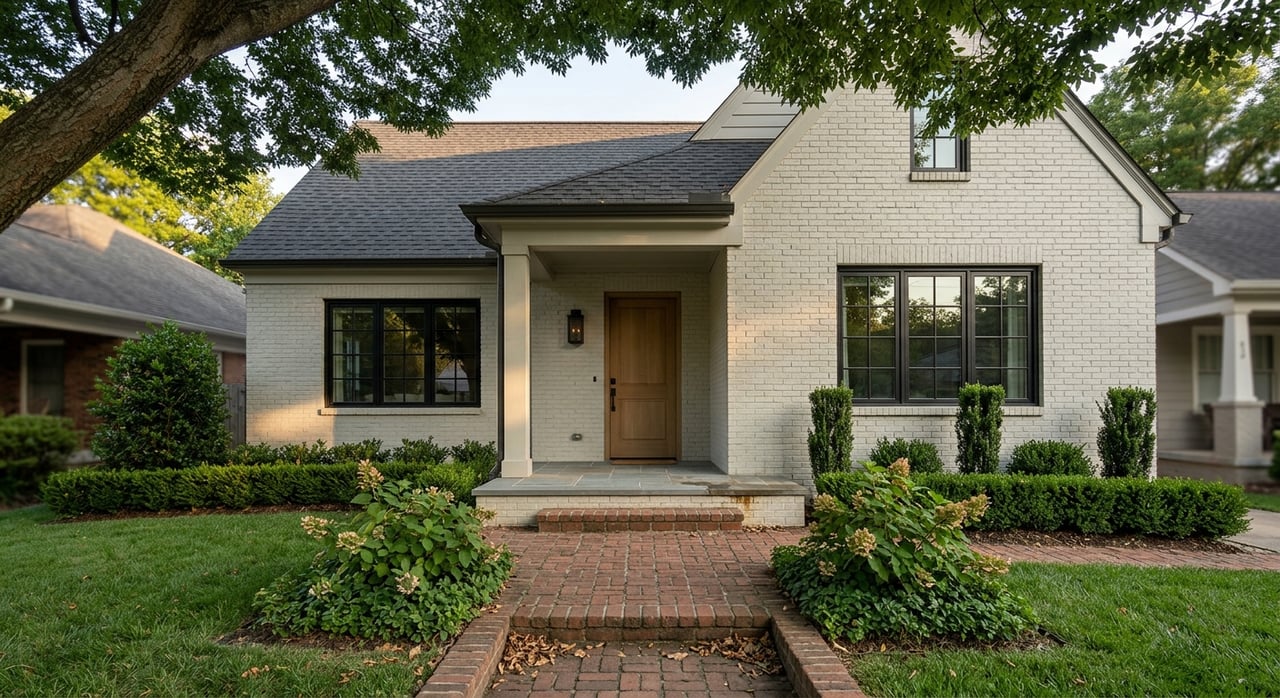
Wondering what it’s really like to live in one of Arlington’s single-family home neighborhoods? If you are weighing a move from a condo, townhome, or another close-in neighborhood, Arlington can offer a very different day-to-day experience. From tree-lined streets and older architectural character to parks, trails, and neighborhood shopping nodes, here is what you should know before you make the move. Let’s dive in.
Arlington’s Single-Family Home Context
Arlington is often associated with Metro access, mixed-use districts, and urban convenience. But the County’s planning pattern is more layered than that, with the highest-density growth focused along corridors like Rosslyn-Ballston, Columbia Pike, and Richmond Highway, while many surrounding residential neighborhoods remain lower-rise and house-oriented.
That matters because detached single-family homes make up a relatively limited share of Arlington’s housing stock. According to Arlington County’s 2024 housing dashboard, detached single-family homes account for 27,370 of 124,712 housing units, or about 21.95% of the total. In simple terms, if you are shopping for a house in Arlington, you are looking at a smaller slice of the market.
What the Lifestyle Feels Like
Living in Arlington’s single-family neighborhoods often means trading some of the intensity of Metro-centered living for a more residential rhythm. You may gain more interior space, a yard, and quieter blocks, while still staying close to restaurants, shops, parks, and major commuter routes.
Many of these neighborhoods are not isolated suburban pockets. Instead, they sit near local commercial nodes, trail systems, and long-established community spaces that shape everyday life in a practical way.
North Arlington Character and Access
North of Langston Boulevard, several residential neighborhoods sit near parks, historic sites, Gulf Branch Nature Center, and Potomac Overlook Regional Park. The Langston Boulevard corridor also connects many residential areas to local shops and independent restaurants, with neighborhood-serving spots like Lee Heights Shops and Lyon Village Shopping Center.
This setup gives many house neighborhoods a balanced feel. You are not always walking out your front door into a dense retail district, but you are often a short drive, bike ride, or walk from daily conveniences and local gathering places.
Neighborhood Highlights
Maywood
Maywood is one of Arlington’s oldest residential districts and covers about 46 acres with nearly 300 buildings. Its character is tied to architectural variety, including Queen Anne, Colonial Revival, Craftsman, and Tudor Revival homes, along with front porches, gable roofs, mature trees, and substantial landscaping.
If you are drawn to older homes with visual detail and a strong sense of place, Maywood stands out. It is the kind of neighborhood where the streetscape itself becomes part of the appeal.
Cherrydale
Cherrydale centers around Five Points and combines a strong residential core with a long-running commercial edge along Langston Boulevard. Arlington County’s historic district page notes 887 properties in the district, including 829 single-family dwellings.
That mix can make Cherrydale feel more like a neighborhood with a village center than a purely residential subdivision. For many buyers, that creates a nice middle ground between residential privacy and everyday convenience.
Lyon Park
Lyon Park began in 1919 as a bedroom community and remains largely made up of single-family homes, with some duplexes, apartments, and a small commercial area at the edges. The neighborhood conservation plan update notes that residents ranked walkability as their top reason for liking the area.
The same update also points to local concerns such as cut-through traffic, pedestrian and bicycle safety, tree canopy, and infill development replacing smaller homes with larger ones. That gives you a more realistic picture of the neighborhood experience: strong location appeal, but with the normal trade-offs that come with an established close-in area.
Westover and Central Arlington
Westover is a long-established residential area in Central Arlington, developed in phases from 1939 to 1957 as a planned community. The surrounding area includes Westover Shopping Center, Buckingham Center, and Bon Air Park Rose Garden.
This combination helps explain why many nearby neighborhoods feel self-contained without feeling cut off. You can enjoy a house-oriented setting while still having recognizable neighborhood destinations nearby.
Historic Districts Matter
Some of Arlington’s single-family neighborhoods are also local historic districts. In those areas, Arlington County says exterior changes, new construction, or demolition may go through a preservation review process.
For buyers, that can be both a benefit and a consideration. It may help preserve neighborhood scale, older street patterns, and architectural character, but it can also affect what exterior changes are easiest to make after you buy.
Commute and Walkability Trade-Offs
One of the biggest questions buyers ask is whether a single-family neighborhood in Arlington still feels convenient. The answer is yes, but convenience may look different depending on where you are moving from.
Countywide, the mean travel time to work is 26.6 minutes. Arlington also offers multiple commuting options, but lifestyle patterns can shift noticeably between a condo-heavy Metro district and a house neighborhood.
In ZIP code 22205, for example, 41.94% of workers drove alone and 8.6% used public transportation. By comparison, County data for apartment buildings in Pentagon City show that 71% of work trips and 74% of non-work trips are made by biking, walking, or transit.
The practical takeaway is simple: if you move from a condo hub into a single-family neighborhood, you will likely rely more on a car for errands and parts of your commute. You may still have strong access to trails, bus routes, neighborhood shops, and major roads, but the daily rhythm often becomes more neighborhood-based and less fully walk-everywhere.
Errands, Dining, and Local Nodes
Arlington’s single-family neighborhoods still connect to useful daily destinations. The County highlights places such as Lee Heights Shops, Lyon Village Shopping Center, Westover Market, and Columbia Pike as neighborhood-serving areas.
That matters because many buyers are not looking for nightlife outside their front door every night. They want practical access to coffee, dining, small shops, and familiar local stops without giving up the feel of a residential street.
Parks and Trails Shape Daily Life
One of the strongest advantages of Arlington’s house neighborhoods is how closely they connect to green space. Arlington County says the trail system includes nearly 49 miles of paved multi-use trails, and many residential areas link directly to stream valleys, larger parks, or both.
This is not just a nice bonus for weekends. It can shape your everyday routine in meaningful ways, from dog walks and playground time to trail runs and bike rides.
Standout Outdoor Spaces
Donaldson Run Park is a 30.16-acre wooded stream valley with trails to Potomac Overlook, the Potomac Heritage Trail, and Marcey Road Park. Gulf Branch Nature Center offers year-round programs, live animals, wooded trails, a restored 19th-century log cabin, and trail access toward the Potomac River.
In South and Central Arlington, Glencarlyn Park spans 100 acres and connects to the Four Mile Run and W&OD trails, Long Branch Nature Center, playgrounds, and a dog park. Westover Park sits next to Bon Air Park and the Custis Trail, while Bon Air includes a 24-acre memorial rose garden with more than 120 rose varieties.
What Homes Look Like
Arlington’s single-family neighborhoods are not one-note. Housing styles can vary sharply from one pocket to another and sometimes from one block to the next.
Maywood includes Queen Anne, Colonial Revival, Craftsman, Tudor Revival, cottage, and Cape Cod forms. Cherrydale includes a large number of single-family homes and early bungalow and Craftsman examples, while Lyon Park is documented as having a diverse range of architectural styles and building forms.
For you as a buyer, that usually means a wider spread of options than you might expect. You may see modest older homes with porches, updated properties with modern interiors, and rebuilt or expanded homes on established tree-lined streets.
Is a House in Arlington Right for You?
If you want more space, a yard, and a more residential street pattern without leaving close-in Northern Virginia, Arlington’s single-family neighborhoods can be a compelling choice. They often offer strong access to parks, local shopping nodes, and commuter routes, even if they are less transit-intense than the County’s apartment and condo centers.
The key is understanding the trade-offs clearly. You are not just choosing a home type. You are choosing a daily lifestyle, from how you run errands to how often you drive, walk, or bike.
That is where neighborhood-level guidance matters. The right fit depends on whether you value architectural character, easier outdoor access, proximity to a local shopping node, or a smoother transition from an urban-style condo lifestyle.
If you are thinking about buying or selling in Arlington and want a thoughtful, neighborhood-specific strategy, Vie Nguyen offers a concierge approach built around local insight, clear guidance, and a polished real estate experience.
FAQs
What makes Arlington single-family neighborhoods different from condo areas?
- Arlington’s single-family neighborhoods typically offer more interior space, yards, and lower-rise residential streets, while condo areas near Metro tend to have higher transit use and more walkable access to dense retail and apartment-style amenities.
What are some notable single-family neighborhoods in Arlington?
- Arlington County information in this report highlights Maywood, Cherrydale, Lyon Park, and Westover as well-known areas with established residential character and access to neighborhood-serving destinations.
Are Arlington single-family homes a large part of the housing market?
- No. Detached single-family homes make up about 21.95% of Arlington’s housing stock, based on the County’s 2024 housing dashboard.
How walkable are Arlington single-family neighborhoods?
- Walkability varies by neighborhood, but in general these areas are less transit-intense and more car-assisted than Arlington’s Metro-focused condo districts, even though many still have access to shops, trails, and local destinations.
Do historic district rules affect Arlington homes?
- In local historic districts, Arlington County says exterior changes, new construction, or demolition may be reviewed through a preservation process, which can influence renovation plans after purchase.
What outdoor amenities support life in Arlington house neighborhoods?
- Arlington’s single-family neighborhoods often connect to parks and trails, including nearly 49 miles of paved multi-use trails, along with places like Donaldson Run Park, Gulf Branch Nature Center, Glencarlyn Park, Westover Park, and Bon Air Park.