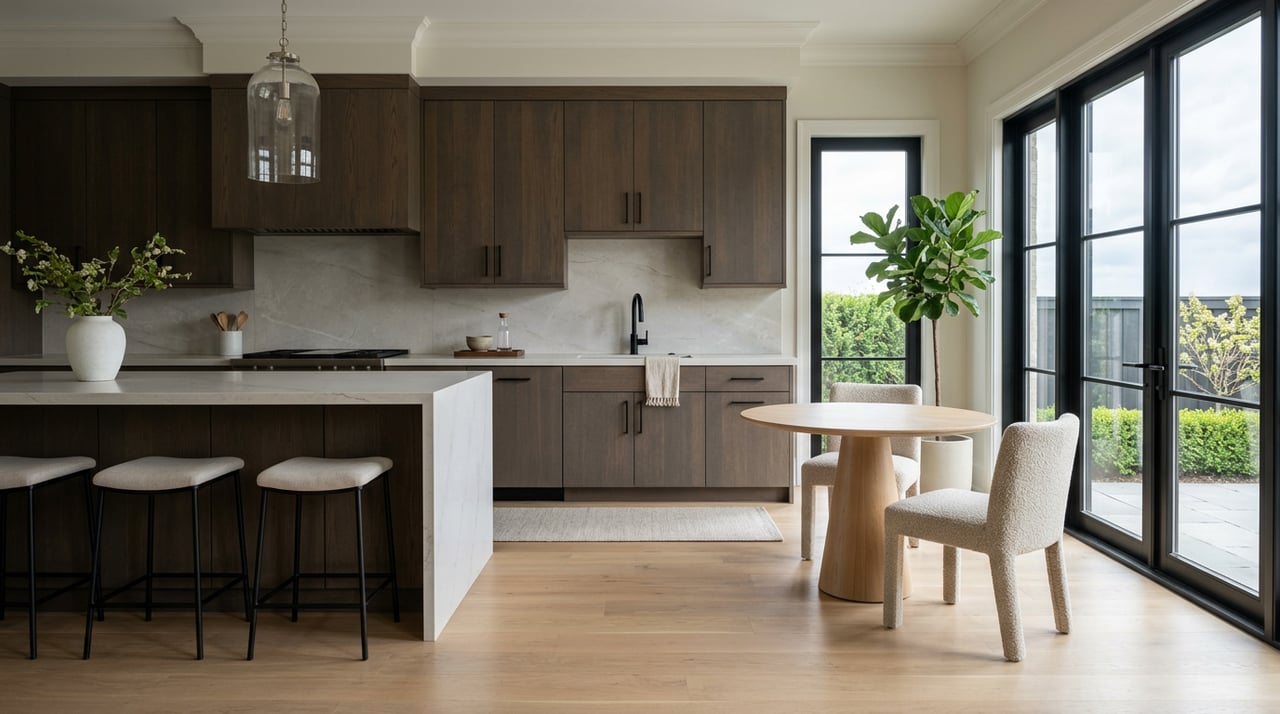
Thinking about listing your Fairfax home this spring? You are not alone, and buyers will be out in force. With a few smart moves now, you can stand out, sell faster, and protect your bottom line. In this guide, you will learn exactly where to focus, how to time your prep, and what to skip so you do not over-spend. Let’s dive in.
Why spring 2026 matters in Fairfax
Fairfax sellers face a more balanced market in 2026, which means presentation and pricing matter more than they did a couple of years ago. Recent local data shows Fairfax County’s average sales price was about $860,520 with average days on market near 28 days in January 2025, based on closed MLS sales reported by the county’s Department of Management and Budget. You can review the source in the county’s indicator report for January 2025 (Fairfax County DMB). See the county snapshot.
Forecasts for Northern Virginia point to moderate price movement and somewhat higher inventory this year. The takeaway is simple. You win on preparation, pricing, and strong pre-marketing rather than relying on extreme demand. Read the regional outlook.
Different data sources can tell different stories because they measure different things. County MLS summaries reflect closed sales, while online indices often estimate values and listing sites show live listing trends. Always compare against recent neighborhood comps to set your strategy.
Pick your spring window
In Northern Virginia, the spring listing window typically runs from late March through May. Early spring often captures a larger buyer pool, though a well-prepared listing can outperform the calendar. NVAR’s recent market wrap supports the idea that timing and preparation shape outcomes.
Work backward from your target go-live date. Start 6 to 8 weeks ahead so you can schedule painting, light updates, a staging consult, and pro photos. Keep in mind that even a one-week shift can change your buyer mix in popular Fairfax micro-markets like Kings Park West, Mantua, and Fairfax City.
Pre-list checklist that moves the needle
Must-do confidence items
- Order a pre-listing inspection if your home is older or you suspect deferred maintenance. It can reduce surprise renegotiations and cancellations. Here is why pre-list inspections help.
- Fix safety and mechanical issues first, such as active leaks, electrical hazards, roof problems, or HVAC concerns.
- Gather documentation for recent repairs and improvements. Include receipts, permits, and warranties in your seller packet.
High-impact cosmetic updates
- Boost curb appeal with a fresh mulch bed, trimmed shrubs, seasonal color, and a clean or newly painted front door with updated hardware.
- Refresh high-visibility interiors with neutral paint, clean caulk and trim, updated light fixtures, and new switch plates.
- In kitchens, favor “minor” or midrange refreshes over full remodels. Think counters, painted or refaced cabinets, hardware, and lighting. National Cost vs. Value findings show exterior improvements and minor kitchen and bath projects often deliver stronger percentage returns than major overhauls. Review the Cost vs. Value analysis.
- In baths, regrout or recaulk, update mirrors and lighting, and keep finishes clean and simple.
What to skip
- Avoid luxury additions or bespoke finishes just to chase resale. Data shows exterior impact items and minor kitchen updates generally outperform big-ticket custom renovations on a percent-return basis. See the ROI patterns.
Staging and media that sell
Staging helps buyers visualize how they will live in a space, which can reduce time on market and, in many cases, increase offer quality. The National Association of Realtors’ 2025 Profile of Home Staging reports meaningful benefits across many markets and price bands. Explore the NAR staging report.
Focus your staging budget where it counts. NAR finds the living room, primary bedroom, and kitchen are the most impactful rooms to stage. Vacant homes benefit from professional staging, while occupied homes often perform well with a targeted partial plan or a staging consultation.
Great media drives results online. Always invest in professional photography. Add a measured floor plan and a concise feature list. Consider 3D tours, which can increase views and qualified showings, especially for remote or busy buyers. Virtual staging is a cost-effective option for empty rooms, with strong ROI reported by industry sources. See virtual staging data.
Staging and media checklist:
- Minimum package: pro photos, measured floor plan, and a clear features list.
- High-impact add-ons: twilight exteriors, drone photos when lot or setting matter, 3D tour, and partial or full staging for vacant homes.
- Schedule photos right after yard refresh and final staging so you capture peak curb appeal.
Permits and contractors in Fairfax
If you plan work that changes structure or involves plumbing, electrical, or mechanical systems, you may need permits. Fairfax County Land Development Services manages building and trade permits and online filings through PLUS. Start early if your project requires plan review. Visit the permit library.
For certain home improvement work, Fairfax County requires a Home Improvement Contractor (HIC) license. In Virginia, many projects and all trades require a DPOR-licensed contractor. Verify license status and follow consumer best practices before you sign. Check Fairfax HIC guidance.
Contractor hiring checklist:
- Verify license and active status, and confirm HIC if your project requires it.
- Get three written bids with detailed scopes and timelines.
- Request proof of insurance and copies of licenses.
- Avoid large deposits. Use small down payments with draws tied to completed milestones.
- Keep a records folder for contracts, change orders, receipts, and permit documents.
Two smart prep tracks
Move-up sellers
- Prioritize curb appeal, strategic staging in main living areas, and a minor kitchen refresh if comps suggest updated kitchens are expected.
- Use a pre-list inspection to fix material items and to present a “repairs-complete” packet when appropriate.
- If your next purchase depends on this sale, price with the goal of a shorter days-on-market. Speed can protect your plan more than a speculative remodel.
Downsizers
- Aim for a low-maintenance, move-in-ready feel. Declutter, deep clean, and paint high-traffic areas in neutral tones.
- Service mechanicals and replace worn fixtures to reduce perceived upkeep.
- Consider light staging and strong photography to highlight easy living and flexible spaces.
A simple 8-week timeline
- 8 to 6 weeks out: Agent walkthrough and written prep plan. Order a pre-list inspection for older homes. Line up any permitted work or priority repairs.
- 6 to 4 weeks out: Complete a staging consultation. Paint, swap dated hardware and lighting, and start landscaping refresh.
- 3 to 1 week out: Deep clean, declutter, and remove excess furniture for better flow. Book photos and 3D tour for a bright day. Finalize listing copy and feature sheet.
- Listing week: Photos and tour go live midweek. Run a broker preview or coming-soon if allowed. Schedule weekend open houses.
Ready to list with confidence?
You do not need to tackle this alone. With design-led staging, data-backed pricing, and a curated vendor network, you can present your Fairfax home at its best and move on your timeline. If you want a turnkey plan tailored to your neighborhood and price band, connect with Vie Nguyen to get started.
FAQs
What updates add the most value before selling in Fairfax?
- Prioritize curb appeal, fresh paint, minor kitchen and bath refreshes, and lighting updates. National Cost vs. Value data shows these midrange projects often outperform major renovations on percent ROI. Review the CVV analysis.
When should I start preparing to list a Fairfax home for spring?
- Begin 6 to 8 weeks before your target go-live date so you can schedule painting, light updates, staging, and professional photography. Early spring often brings a larger buyer pool in Northern Virginia. See recent market context.
Is staging worth it for Fairfax sellers?
- Yes, when scoped to your price band and goals. Industry reports show staging helps buyers visualize, shortens time on market, and can lead to stronger offers in many cases. Focus first on the living room, primary bedroom, and kitchen. Explore NAR’s staging findings.
Do I need permits for pre-sale improvements in Fairfax County?
- Projects that alter structure or involve electrical, plumbing, or mechanical systems often require permits and inspections. Start early to allow for plan review. Confirm your scope with the county. Visit the Fairfax permit library.
Should I get a pre-listing inspection in Fairfax?
- Consider it if your home is older or if maintenance has been deferred. Pre-list inspections can reduce surprises, renegotiations, and cancellations. Learn more about benefits.
How do I vet contractors for pre-sale work?
- Verify Virginia DPOR licensing and check whether a Fairfax HIC license applies. Get three written bids, confirm insurance, and use small deposits with milestone-based draws. Keep full records for buyer review. Check Fairfax HIC guidance.