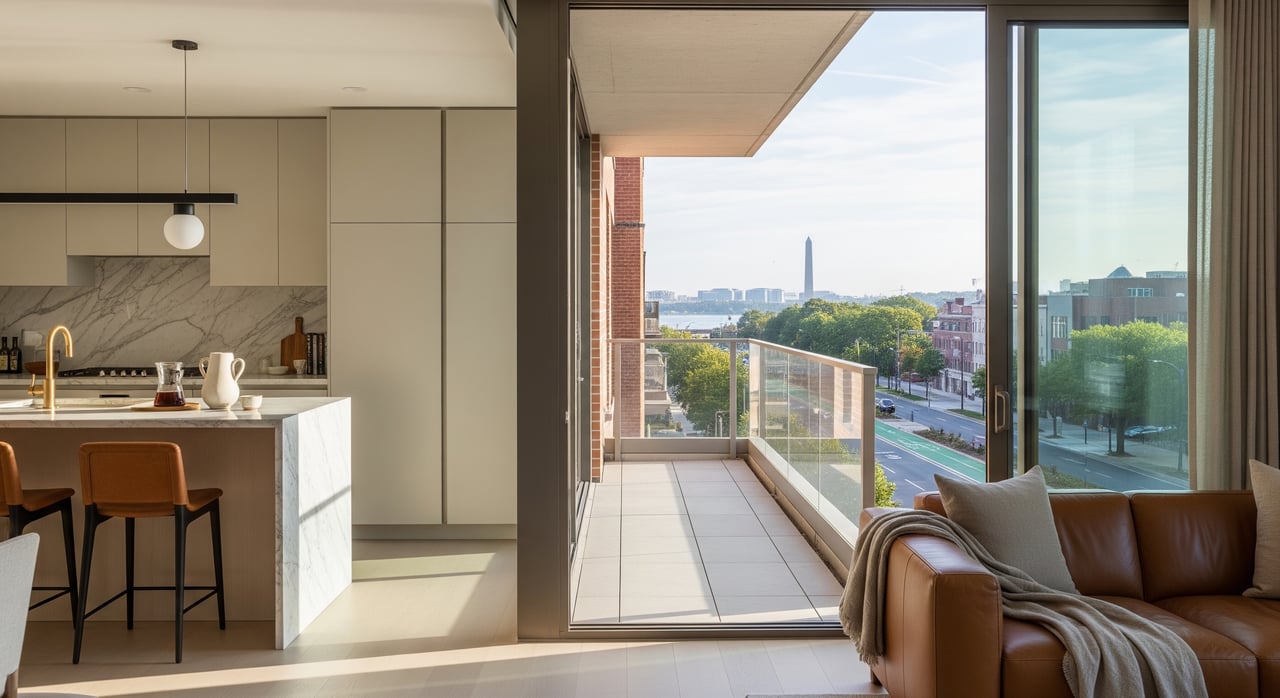
Ever wonder what daily life actually feels like in Arlington’s condo hubs? If you’re picturing short commutes, coffee downstairs, and weekend bike rides along the river, you’re on the right track. Choosing a condo here is more than picking a floor plan. It is about matching your routine to a neighborhood’s rhythm, transit options, and building style. This guide walks you through the feel of each hub, how you’ll get around, what errands look like, and the key trade-offs to consider. Let’s dive in.
Where condo hubs cluster
Rosslyn
Rosslyn feels urban and efficient. You get a skyline, quick bridge access to D.C., and high-rise towers with strong amenity packages. Streets are active during commute hours, and the Metro puts major destinations a short ride away.
Courthouse
Courthouse offers a blend of civic energy and convenience. It is walkable to restaurants, everyday services, and the Metro. The atmosphere is lively on weeknights, with a practical, easy-to-live feel.
Clarendon
Clarendon leans social and neighborhood-friendly. You’ll find sidewalk patios, boutique fitness, and pocket parks in a compact, walkable layout. Most daily needs sit within a few blocks, which makes car-free living realistic for many.
Virginia Square
Virginia Square is a calm, connected stretch between Clarendon and Ballston. The Metro access is strong, and streets feel more residential while still close to dining, groceries, and cafes. It suits anyone who wants balance and fewer late-night crowds.
Ballston
Ballston mixes mid- and high-rise living with a busy commercial core. You’ll see ground-floor retail, office buildings, and easy transit connections. It tends to feel energetic during the day with plenty of fitness, dining, and everyday services.
Pentagon City
Pentagon City anchors a major shopping destination and transit hub. Condo towers sit near the Fashion Centre at Pentagon City and a range of services. The area blends commuter convenience with one-stop errands.
Crystal City and National Landing
Crystal City is part of the broader National Landing area, which has seen significant development in recent years. New mixed-use projects have brought added amenities and housing options. You’ll get fast access to the airport corridor, bus rapid transit, and the Metro.
Commute and getting around
Metro
Arlington sits on several WMATA lines, including the Orange, Blue, Silver, and Yellow. From central hubs, you can reach much of downtown D.C. in a ride that often ranges from a few minutes to about 20 minutes depending on station and time of day. The convenience is a primary reason many choose these neighborhoods.
Buses and BRT
Local ART buses connect neighborhoods and fill gaps between Metro stops. You can also tap into Metrobus routes and a bus rapid transit line in the Crystal City to Potomac Yard corridor. These options add flexibility when you want to skip driving.
Driving
Major routes include I-66, I-395, and the George Washington Memorial Parkway. Driving offers regional reach, but you should expect peak-hour congestion heading into and out of D.C. Parking can be limited or carry extra cost, especially in denser corridors and downtown destinations.
Bike and micromobility
Arlington’s trail network makes cycling practical and enjoyable. The Custis Trail and Mount Vernon Trail give you scenic routes for commuting, fitness, or a relaxed ride to the waterfront. Capital Bikeshare stations and scooters are common, which makes short trips simple.
Walkability
These hubs are set up for daily convenience. In many buildings, you can step outside to reach groceries, coffee, fitness, and parks within minutes. If you prefer to live with one car or none, several hubs make that workable.
Errands and daily convenience
Groceries and shopping
You will find multiple grocery choices across Clarendon, Ballston, Pentagon City, and Crystal City. Larger shopping areas, including the Fashion Centre at Pentagon City and newer retail in National Landing, make one-stop shopping straightforward. Specialty markets and smaller grocers fill in the gaps.
Everyday services
Dry cleaning, pharmacies, pet care, and health services are usually a short walk from many buildings. Boutique fitness studios and gyms are common, and many condos include on-site fitness rooms. On-demand grocery and meal delivery are widely used by residents who want to keep errands quick.
Recreation and weekend rhythm
Trails and green space
The Custis Trail, Mount Vernon Trail, and Potomac riverfront paths are standout features if you value time outdoors. Scenic spots like Gravelly Point and the area around Theodore Roosevelt Island offer easy escapes. Pocket parks and plazas in Clarendon, Ballston, and other hubs host casual gatherings and occasional outdoor classes.
Waterfront and nearby outings
Being close to the Potomac opens up running, biking, and weekend excursions into D.C. and Alexandria. Boat and waterfront recreation are accessible nearby, so you can head out for a change of scenery without planning a full-day trip.
Sound and city feel
Airplane and transit noise
Areas closer to the airport and waterfront corridors may experience more aircraft noise. You might notice it in parts of Crystal City and Pentagon City. It is smart to visit at different times of day to gauge your own tolerance.
Nightlife and activity
Clarendon and parts of the Courthouse–Clarendon corridor can be lively in the evenings. Higher floors and better insulation may help reduce street noise, but testing a building at night is always wise. In more commuter-oriented nodes, activity peaks at rush hour and eases later.
Construction
Ongoing development, especially in National Landing and other redevelopment corridors, can bring periodic construction noise. The upside is new amenities and refreshed streetscapes as projects complete.
Inside the building
Amenities that shape daily life
Many Arlington condos offer a mix of concierge, fitness centers, rooftop terraces, lounges, package rooms, and parking garages. Some add pools or business centers. Buildings with extensive amenities often carry higher monthly fees, while no-frills buildings help keep costs down.
Parking, storage, and deliveries
- Parking: Deeded or assigned spaces may be limited and sometimes cost extra. Guest parking rules vary by building.
- Storage: In-unit storage can be tight. Many buildings offer lockers for an additional fee or a waitlist.
- Packages: Centralized package rooms, lockers, or concierge handling are a big plus. With growing delivery volume, buildings without a system can face headaches.
Costs, fees, and governance
What condo fees cover
Monthly condo or HOA fees typically cover building maintenance, common-area insurance, some utilities, reserves, and amenities. Fees vary by building age, size, and amenity level. Review what is included, and confirm utilities you will pay separately.
Documents to review
Ask for the budget, reserve study, bylaws, recent board minutes, and master insurance policy. If you plan to renovate, check rules for flooring, plumbing, and HVAC upgrades. If you might rent later, review rental caps and lease term requirements.
Special assessments
Older buildings or those planning capital projects may levy one-time assessments for major work such as roofs or system upgrades. Always ask if any assessments are planned or under discussion. Recent meeting minutes often signal what is ahead.
Lifestyle trade-offs
- Lower maintenance vs fees: You trade yardwork and exterior upkeep for a predictable monthly fee and shared services.
- Convenience vs space: Units tend to be more compact than single-family homes. Many residents find proximity to transit and services offsets lower square footage.
- Energy vs quiet: Urban hubs offer restaurants and nightlife, along with more ambient noise. Higher floors or interior-facing units can help if you prefer a calmer setting.
- Car ownership: You can own a car, but parking can be limited or costly. Many residents live car-light or car-free by relying on Metro, buses, bikes, and rideshares.
A practical condo tour checklist
Bring this list to showings and during your research phase:
- Commute test: Time your preferred route at your typical commute hour.
- Sound test: Visit evenings and weekends to check nightlife, traffic, and airplane noise.
- Fees and inclusions: Confirm what the monthly fee covers and which utilities you pay.
- Parking and storage: Verify deeded spaces, guest parking rules, and storage availability.
- Building documents: Request budget, reserve study, board minutes, rules, and insurance details.
- Renovation policy: Understand approvals and permitted upgrades.
- Special assessments: Ask about current or planned assessments.
- Rental rules: Note caps, waitlists, and minimum lease terms if renting is a future option.
- Delivery logistics: Learn how packages are handled and peak delivery times.
- Market context: Review recent resale and rental activity in the building to gauge liquidity.
Which condo hub fits you
- Clarendon and Courthouse: Choose if you want a social, walkable scene with patios, fitness options, and active evenings.
- Rosslyn and Crystal City: Choose if you value an urban, commuter-oriented feel with quick connections into D.C. and strong high-rise options.
- Virginia Square and Ballston: Choose if you want a balanced neighborhood with transit convenience and everyday services in easy reach.
- Pentagon City and National Landing: Choose if you want a major shopping core, evolving amenities, and strong transit near a growth corridor.
Picking the right hub is about feeling at home in your daily routine. Test your commute, walk to your most-used spots, and sit in a nearby cafe to get a sense of the pace. When you are ready to shop buildings and compare fees, rules, and long-term costs, a local advisor can help you navigate trade-offs quickly. For a concierge approach that blends neighborhood insight with design-minded guidance, connect with Vie Nguyen to schedule your concierge consultation.
FAQs
Is it realistic to live car-free in Arlington condo hubs?
- Yes, in many central hubs with strong Metro access, bike trails, and walkable errands, though you should test your specific grocery runs and off-hour transit needs.
What extra monthly costs should I budget beyond a condo mortgage or rent?
- Plan for HOA fees, utilities not covered by the association, potential parking fees, and the possibility of special assessments in some buildings.
Are condo buildings in Arlington noisy compared to single-family areas?
- It depends on building construction, floor level, unit orientation, and neighborhood activity; visit at night and on weekends to gauge sound.
How easy is it to rent out a condo later if my plans change?
- It varies by building; some associations cap rentals or set minimum lease terms, so review the rules and any waitlists before you buy.
What should I look for in a condo association’s documents before making an offer?
- Review the reserve study, annual budget, recent board minutes, master insurance policy, and rules covering pets, renovations, rentals, parking, and packages.