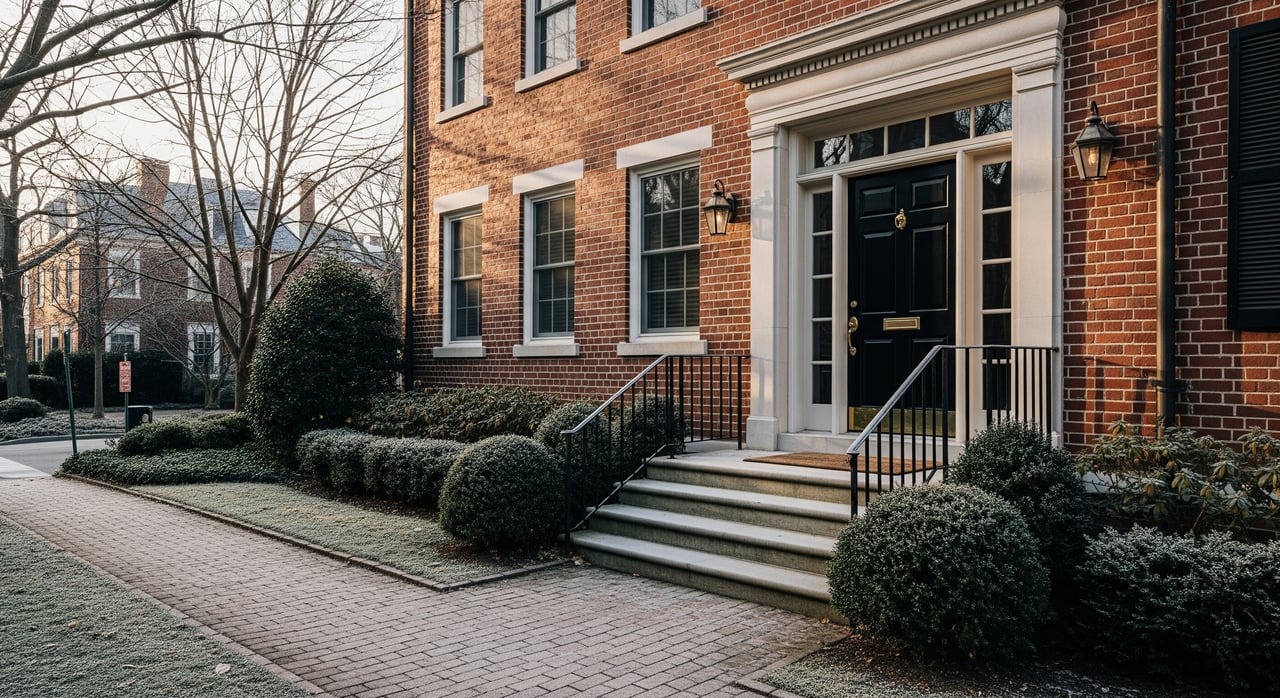
Thinking about selling in the colder months and wondering what your Arlington home could actually fetch? You are not alone. Winter selling raises smart questions about timing, pricing, and presentation. The good news is that motivated buyers are still out there, and Arlington’s location and transit access help keep demand steady. In this guide, you will learn what affects winter pricing here, how to position your home to stand out, and the steps to get a confident, personalized estimate. Let’s dive in.
What drives winter prices in Arlington
Arlington’s market benefits from proximity to Washington, D.C., multiple Metro lines, and major employment hubs like Crystal City, the Pentagon, and Rosslyn. These anchors support home values through most seasons. Walkability, transit access, and neighborhood character also matter. Small distance changes near Clarendon, Ballston, Lyon Village, Rosslyn, Columbia Pike, and Arlington Forest can shift buyer interest, especially when winter buyer pools are more targeted.
Property type drives price expectations too. Single-family homes and townhouses often attract local families and move-up buyers. Condos can appeal to commuters and investors who value location, amenities, and HOA stability. If you own a condo, details like assessments, parking, and storage will be central to a buyer’s decision.
In winter, micro-neighborhood differences carry extra weight. When fewer buyers are searching, the ones who are active tend to be laser focused on transit, commute times, and convenience. Your pricing and marketing should reflect those priorities.
What to expect from winter buyers
Buyer traffic usually drops in late fall and winter, and so does inventory. That means fewer showings and fewer casual drop-ins. The flipside is that winter buyers are often more serious. They may be relocating for government or contracting jobs, acting on a firm timeline during the school year, or investing with clear criteria.
You can expect a bit more price sensitivity and negotiation. When your price and condition align with market expectations, deals can come together quickly. Winter is less forgiving of overpricing, but you can still achieve full-market value if your listing looks great and is priced with precision.
Plan for more weekend showings and after-work tours. Shorter daylight hours make high-quality interior photos, virtual tours, and flexible access even more important.
How to price smart this winter
Winter pricing success starts with an accurate, hyper-local analysis. Here is a simple framework:
Build a winter-ready CMA
- Focus on recent sold comps from the last 3 months when possible. If you need to look back 6 to 12 months, adjust for market direction and micro-neighborhood differences.
- Match property type, bed and bath count, square footage, lot size, age, recent updates, parking, and distance to Metro and bus routes. Adjust for views, outdoor space, and condition.
- Review active listings to size up your competition and study pending sales to see where demand is showing up now.
- Note days-on-market trends for similar homes so you set realistic timing and price expectations.
- Factor seasonality. If winter is slower in your segment, either allow more time or price more competitively to shorten market days.
Choose the right price strategy
- Market-competitive pricing. This is the default for winter. Price in line with the best comps to draw interest from serious buyers.
- Strategic underpricing. This tactic can work when data shows a clear price band that will spark attention. It is riskier in winter because fewer buyers are active.
- Psychological pricing. Position just under common search thresholds to boost visibility. Use this sparingly and never ignore the comps.
When concessions help you net more
- Consider credits toward closing costs or repairs, a home warranty, or flexible closing dates. These can bridge small gaps without cutting list price.
- A pre-listing inspection with targeted repairs reduces negotiation leverage for buyers and speeds up closing.
Winter-ready prep checklist
Presentation matters in every season, but winter demands extra care with comfort, light, and access. Use this checklist to get market-ready in 2 to 4 weeks.
Exterior and curb appeal
- Keep walkways, steps, and driveways clear and safe. Have a plan for ice melt and same-day snow removal.
- Freshen the entry with a clean doormat and winter-friendly planters like evergreens.
- Trim shrubs, remove leaves, clear gutters, and consider a quick power wash if weather allows.
- Add exterior lighting so evening showings and photos feel welcoming.
Interior staging and comfort
- Maximize light. Clean windows, open curtains, replace bulbs with warm but bright options, and use lamps in darker corners.
- Set a comfortable thermostat and disclose settings for showings so buyers feel at home.
- Declutter and depersonalize. Emphasize functional spaces that matter in winter, like a mudroom or a work-from-home nook.
- Use seasonal touches sparingly. A cozy throw or fresh greenery adds warmth without distraction.
Photos, floor plans, and virtual tools
- Book professional photos on the brightest available day. Consider twilight shots to showcase exterior lighting.
- Offer a detailed virtual tour or 3D walkthrough. Winter buyers rely on digital previews before touring in person.
- Include a floor plan and a list of recent improvements along with typical utility averages for heating.
Systems and documentation
- Service the HVAC before listing and keep service records available. This reassures buyers about winter comfort.
- Consider a pre-listing inspection to address fixable items and set a clear baseline for negotiations.
- For condos or townhomes, gather HOA documents, reserve studies, and any recent assessment info ahead of time.
Showing safety and access
- Provide shoe covers and a designated area for coats and bags.
- Keep pathways open and communicate any quirks with utilities or furnace controls to avoid surprises.
Marketing and timing that work now
Timing and logistics can make a measurable difference in winter. A clear plan helps you capture attention and keep momentum.
Listing window and weekly rhythm
- Avoid going live during major holidays unless timing requires it. Holiday slowness can hide your listing.
- Launch earlier in the week, typically Monday through Wednesday, to build interest and line up weekend showings.
- Expect a longer average market time than spring and plan your move and contingencies accordingly.
Marketing emphasis for winter buyers
- Lead with convenience and certainty. Offer a pre-inspection summary, virtual tour, and flexible closing dates.
- Highlight energy and mechanical updates. Note HVAC servicing, insulation improvements, or new windows where applicable.
- Use targeted digital distribution and relocation networks to reach motivated buyers who are on a timeline.
A practical 4-week seller timeline
- Week 0: Consultation, preliminary CMA, identify high-impact updates.
- Week 1–3: Complete repairs, staging, deep cleaning, HVAC service, gather bills and HOA docs.
- Week 2–3: Schedule photos and virtual tour on the best light day. Finalize pricing.
- Week 3–4: Go live on the MLS with full media. Coordinate showings and plan open houses if appropriate.
What your home could sell for: get a personalized estimate
Your likely sale price depends on your property type, recent updates, micro-neighborhood, and the current set of active and pending listings. A personalized valuation weighs fresh comps, your home’s features, and winter timing.
Here is what helps an agent deliver a fast, accurate estimate and plan:
- Your address and access for a walk-through or virtual tour.
- A list of improvements with approximate dates and costs, like kitchens, baths, roof, windows, and HVAC.
- HOA documents for condos or townhomes, tax parcel ID, and recent utility bills.
- Your ideal move timing, any must-move dates, and your minimum acceptable net proceeds if known.
With this information, you can receive a price range, a go-to-market plan, and actionable prep steps that fit your budget and timeline.
Risks to plan for and how to navigate offers
Winter buyers may request credits or reductions, especially if comparable sales are limited. A pre-listing inspection and aligned pricing reduce this risk. You may also see the occasional low offer. Evaluate the whole package, including financing strength, contingencies, and timing, before deciding.
If activity slows after the first two weeks, a small, strategic price adjustment can revive interest faster than waiting. The goal is to balance time on market with net proceeds, based on real buyer feedback and active competition.
Ready to explore your winter sale?
If you want a clear, data-informed picture of what your Arlington home could sell for this winter, start with a tailored CMA and a design-forward prep plan. With concierge-level staging, organized vendor support, and strong digital marketing, you can capture motivated buyers without waiting for spring. To get a personalized estimate and a step-by-step plan, connect with Vie Nguyen today.
FAQs
Is winter a bad time to sell a home in Arlington?
- Not necessarily; there are fewer buyers, but they are often more motivated, and with accurate pricing, strong presentation, and targeted marketing, you can achieve solid outcomes.
How should I price an Arlington condo or single-family home in winter?
- Build a CMA using recent comps, match your property type and features closely, study active and pending listings, and set a market-competitive list price.
What prep makes the biggest difference for winter showings?
- Maximize light and warmth, ensure safe and clear access, invest in professional photos and a virtual tour, and service the HVAC with records ready for buyers.
Should I offer credits or a home warranty to winter buyers?
- Strategic concessions like closing cost credits, a home warranty, or flexible dates can bridge small gaps and help you maintain your target price.
When should I list around the holidays in Arlington?
- Avoid major holiday weeks if you can; launch early in the week to build momentum and capture motivated buyers planning weekend tours.
What seller paperwork is essential in Virginia?
- Homes built before 1978 require a federal lead-based paint disclosure, and additional Virginia disclosures apply, so work with a local professional to ensure compliance.